
EDM surface integrity analysis: where hidden damage starts
author
In renewable energy manufacturing, EDM surface integrity analysis reveals where hidden damage begins—beneath a polished surface, where recast layers, micro-cracks, and residual stress can shorten service life. For engineers, buyers, and decision-makers comparing precision grinding surface roughness, CNC spindle runout measurement, and aerospace alloy fatigue life data, understanding these subsurface risks is essential to selecting reliable processes, suppliers, and long-term performance strategies.
Why EDM surface integrity matters in renewable energy components
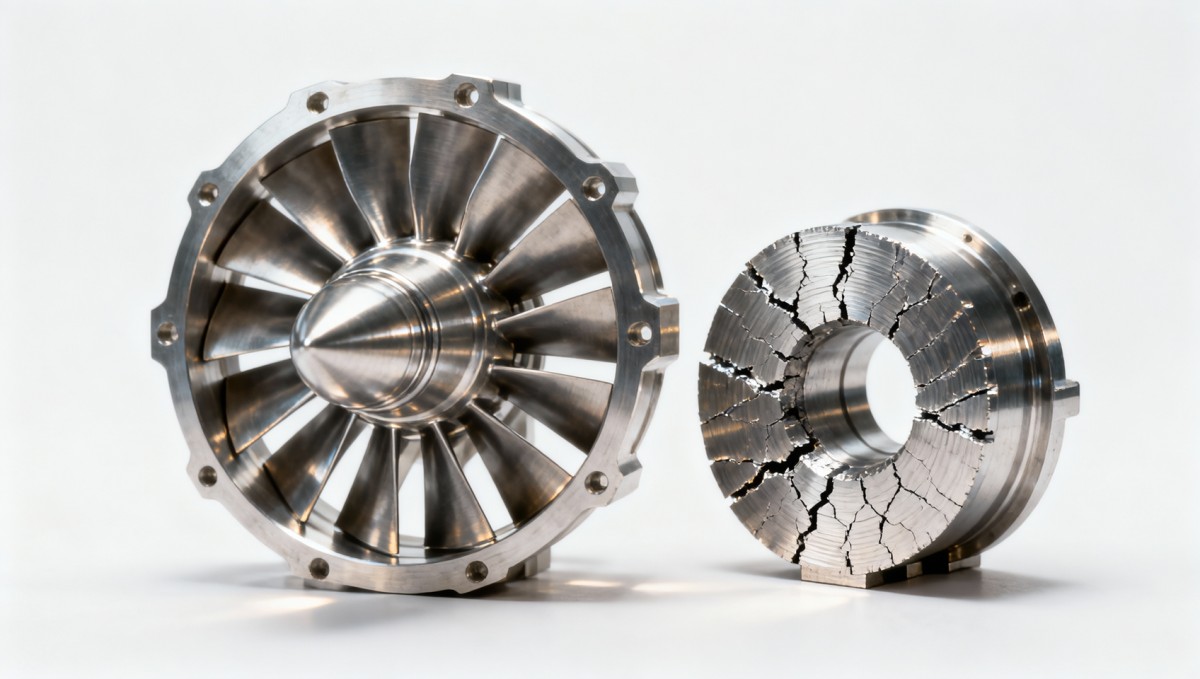
Electrical discharge machining is widely used when renewable energy manufacturers need to shape hard, conductive materials with tight tolerances. It is especially relevant for turbine parts, power electronics tooling, precision molds, sensor housings, and heat-resistant alloy components used in wind, solar, storage, and grid hardware. The visible surface may look acceptable, yet the real risk often starts 5–50 μm below the top layer, where thermal damage can accumulate.
That is why EDM surface integrity analysis should never be reduced to a roughness number alone. In production, Ra values may appear stable from batch to batch, while recast layer thickness, heat-affected zones, tensile residual stress, and micro-crack density vary significantly with pulse energy, flushing conditions, electrode wear, and part geometry. For renewable energy assets designed for 10–25 years of operation, these hidden differences can directly influence fatigue behavior and corrosion resistance.
This issue is critical for four groups. Researchers need comparable process data. Operators need settings that avoid unstable discharge behavior. Procurement teams need supplier evaluation criteria that go beyond cosmetic inspection. Enterprise decision-makers need to understand whether a lower unit price today may create warranty, replacement, or downtime costs later. In short, hidden damage turns a machining issue into a lifecycle cost issue.
NexusHome Intelligence approaches this problem from a data-first perspective. Although our broader work spans connected hardware, the same principle applies in renewable energy manufacturing: marketing language cannot validate reliability. Only measurable indicators, controlled benchmarking, and cross-process comparison can show where hidden damage starts and how it can be reduced before parts enter the field.
What “surface integrity” really includes
When teams discuss EDM quality, they often focus on dimensional accuracy and visual finish. That is not enough. Surface integrity combines the topography of the machined surface with the metallurgical condition beneath it. In practical supplier audits, three to five core indicators are usually more valuable than a long list of generic claims.
- Surface roughness and texture direction, which affect friction, coating adhesion, and sealing behavior.
- Recast layer thickness, often measured in micrometers, indicating how much resolidified material remains.
- Micro-cracks and heat-affected zones, which can accelerate crack initiation under cyclic loading.
- Residual stress profile, particularly tensile stress near the surface, which may reduce fatigue life.
- Subsurface contamination or altered microstructure that can affect corrosion in humid or saline environments.
For renewable energy applications, these factors are not theoretical. Wind turbine subsystems face repeated cyclic loads. Solar manufacturing equipment often handles abrasive or thermally sensitive materials. Battery and inverter tooling may require precise geometry with stable electrical and thermal performance. In each case, the hidden surface condition can influence whether a component performs consistently across thousands or millions of cycles.
Where hidden damage starts: process windows, material response, and inspection gaps
Hidden damage in EDM rarely comes from one single mistake. It usually develops when several variables drift outside a stable process window. High discharge energy, poor dielectric flushing, unfavorable geometry, and long spark concentration in one zone can create localized overheating. Even when the final part remains dimensionally acceptable, the subsurface may contain brittle recast material or crack starters invisible to the naked eye.
Material response also matters. Nickel-based alloys, hardened tool steels, tungsten-containing materials, and certain conductive ceramics do not react identically to the same pulse settings. A parameter set that works for one alloy may produce a thicker recast layer or stronger tensile residual stress on another. In renewable energy supply chains, this is especially relevant when suppliers substitute similar grades without fully revalidating the EDM process.
Inspection gaps are another common source of risk. Many incoming checks stop at dimensional reports, visual inspection, and occasional roughness testing. That leaves a blind zone. If no metallographic cross-section, crack inspection, or residual stress evaluation is performed during first article approval or periodic validation, hidden damage can pass through procurement and assembly without resistance. The problem may only emerge after 6–18 months of field use.
For this reason, EDM surface integrity analysis should be linked to process capability, not treated as an isolated laboratory exercise. If the objective is long service life in renewable energy hardware, then process data, inspection frequency, and supplier change control need to work together. A polished part is not automatically a durable part.
Typical damage sources buyers and engineers should question
During technical review, it helps to map risks to specific production causes. The table below summarizes frequent hidden damage mechanisms and why they matter in renewable energy manufacturing environments.
The pattern is clear: hidden damage is usually process-related and therefore manageable. But it becomes expensive when nobody defines acceptance criteria early. A supplier may meet drawing dimensions in 7–15 days, yet still deliver parts with inconsistent subsurface quality if the RFQ never specifies metallurgical checks or process documentation requirements.
A practical 4-step verification routine
- Confirm the base material grade, hardness range, and prior heat treatment before approving EDM parameters.
- Request evidence of roughing and finishing strategy, including trim passes where relevant.
- Add at least one cross-section review during first article inspection for critical components.
- Define periodic revalidation every quarter or after material, electrode, or program changes.
This routine does not eliminate every risk, but it greatly improves transparency between engineering, quality, and purchasing teams. It also supports the NHI principle that trust should be built on verifiable technical evidence rather than broad supplier promises.
EDM vs precision grinding: which process creates the lower hidden-risk profile?
Buyers often compare EDM surface integrity analysis with precision grinding surface roughness data when selecting a finishing process for renewable energy components. This is a useful comparison, but it should be framed carefully. Neither process is universally better. The right choice depends on geometry complexity, material hardness, required edge condition, fatigue sensitivity, and allowable post-processing time.
Precision grinding usually offers an advantage when a component needs a very fine, directionally controlled finish and minimal thermal alteration under a stable setup. However, grinding can introduce its own issues, such as grinding burn, tensile stress, or chatter-related surface damage if wheel selection, dressing, coolant delivery, and spindle condition are not controlled. This is why CNC spindle runout measurement remains important in grinding-based process chains.
EDM becomes more attractive when the part includes narrow slots, complex contours, very hard alloys, or delicate features that would be difficult or uneconomical to grind. The tradeoff is that EDM introduces thermal effects by design. The key question is not whether thermal impact exists, but whether it remains within a validated and acceptable range for the component’s duty cycle.
For procurement teams, the most expensive mistake is comparing quotes process-to-process without comparing integrity-to-integrity. A lower machining quote may conceal extra polishing, rework, or field reliability risk. For decision-makers managing total cost across 2–4 years of sourcing, hidden-risk comparison is more valuable than piece-price comparison alone.
Process comparison for renewable energy manufacturing
The following matrix helps structure discussions between engineering, operations, and sourcing teams when deciding between EDM and precision grinding for critical conductive parts.
The takeaway is not to choose one process blindly. It is to define the integrity target first, then select the process or hybrid route that reaches it with the lowest lifecycle risk. In some cases, rough EDM followed by controlled finishing or polishing creates a stronger result than forcing one process to do everything.
When aerospace alloy fatigue life data becomes relevant
Although renewable energy is a distinct industry, aerospace alloy fatigue life data can still be informative when evaluating machining routes for high-performance conductive alloys. The reason is simple: both sectors value durability under cyclic stress, thermal variation, and long service intervals. If a supplier references fatigue-sensitive materials, buyers should ask whether the machining process was validated for subsurface integrity, not just surface appearance.
That does not mean aerospace test data can be copied directly into a wind, solar, or energy storage specification. It means the decision logic is transferable: hidden damage at the surface and near-surface layer often becomes the starting point of long-term failure. Procurement teams should therefore favor suppliers that can explain process controls, inspection methods, and deviation management in practical terms.
How to evaluate suppliers, specifications, and procurement risk
For procurement teams, EDM surface integrity analysis is most useful when converted into sourcing language. A buyer does not need to become a metallurgist, but they do need a structured framework for comparing suppliers. In renewable energy projects, especially those involving international sourcing, the challenge is that supplier quotations often emphasize capacity, price, and lead time while leaving integrity control underdefined.
A practical RFQ for EDM components should include at least 5 key checkpoints: material traceability, machine/process capability, finishing sequence, inspection method, and change notification rules. If any of these are vague, hidden quality variation is likely. This is particularly important for pilot builds moving to medium-volume production, where first samples may perform well but later batches shift due to tooling wear or process substitution.
Decision-makers should also separate cosmetic quality from functional quality. A glossy part can still have a damaged subsurface. Conversely, a part that requires slight secondary finishing may provide a better long-term integrity profile. This distinction matters when comparing offers with delivery windows such as 10–20 days for prototypes versus 3–6 weeks for validated production runs.
NHI’s data-driven lens is valuable here because it pushes the conversation from claims to measurable evidence. For global supply chains shaped by protocol fragmentation, hardware variability, and inconsistent documentation quality, the same rule applies in manufacturing procurement: benchmark what matters, define acceptance clearly, and test where failure is most likely to start.
Supplier screening checklist for buyers and technical teams
- Ask whether the supplier distinguishes roughing parameters from finishing parameters, and whether trim passes are documented for fatigue-sensitive parts.
- Request examples of how they verify recast layer or micro-crack risk during first article approval.
- Check whether electrode wear, dielectric condition, and machine maintenance are managed with scheduled controls every shift, week, or month.
- Confirm whether post-processing such as polishing, blasting, or stress-relief changes the final acceptance criteria.
- Define how the supplier will notify you about material substitution, parameter changes, or machine transfer before production release.
These questions are simple, but they expose whether a supplier truly understands integrity control. They also help information researchers and enterprise buyers compare offers more objectively, especially when multiple vendors claim similar capability levels.
Procurement evaluation table
If your team needs a quick scoring structure, the following table can be used during RFQ review, factory audit preparation, or internal supplier comparison.
This framework is especially useful when sourcing across borders. It helps teams avoid making decisions on price alone and aligns supplier selection with long-life renewable energy performance requirements.
FAQ: practical questions before approving EDM parts for renewable energy use
The questions below reflect common search intent from engineers, operators, sourcing teams, and project managers who need fast but reliable guidance before moving from sampling to production.
How should we choose between EDM and grinding for a critical part?
Start with four factors: geometry, material hardness, fatigue sensitivity, and required final finish. If geometry is complex and the material is very hard, EDM may be the practical route. If the final surface is a bearing, sealing, or high-contact zone, grinding or a hybrid finishing step may be necessary. The right decision often emerges after comparing hidden-risk profiles, not just visible roughness values.
What should operators monitor during production to reduce hidden damage?
Operators should monitor at least three groups of variables: pulse stability, flushing effectiveness, and electrode condition. In many shops, checking dielectric cleanliness per shift, reviewing electrode wear at defined intervals, and separating roughing from finish-pass parameters prevents avoidable recast buildup. For long-run repeat orders, periodic sample cross-sections can provide an additional safeguard.
What are common procurement mistakes when buying EDM-made parts?
The most common mistake is specifying dimensions and appearance without specifying integrity-related acceptance. Others include ignoring material state, failing to ask about finishing strategy, and approving suppliers based only on sample appearance from one small batch. For renewable energy components expected to run for years, those omissions can create hidden field risk that far exceeds the initial savings.
Does a smoother surface always mean better service life?
No. A smoother measured surface can still hide a damaged subsurface. Service life depends on the full integrity profile, including recast layer, micro-cracks, residual stress, and how the part will be loaded in service. This is why EDM surface integrity analysis should be linked to use conditions such as cyclic load, thermal variation, humidity, and corrosion exposure.
Why choose NHI for data-driven evaluation and next-step consultation
NexusHome Intelligence works from a simple principle: real engineering decisions require measurable evidence. In fragmented global hardware supply chains, broad claims about quality or compatibility do not help technical buyers manage risk. What helps is structured benchmarking, process transparency, and decision-ready interpretation. That is the approach we bring when evaluating manufacturing variables tied to long-term renewable energy performance.
If your team is comparing EDM suppliers, reviewing precision grinding surface roughness reports, questioning CNC spindle runout measurement results, or trying to interpret fatigue-related machining risk for conductive alloys, we can help organize the evaluation around what actually affects field performance. This is particularly valuable during supplier shortlisting, first article review, and cross-border procurement alignment.
You can contact us for specific discussions on 6 practical topics: parameter confirmation, process comparison, sample review priorities, expected delivery windows, inspection checkpoints, and quotation alignment. We can also help define what questions to ask suppliers before committing to prototypes, pilot batches, or multi-quarter purchasing plans.
For renewable energy manufacturers and sourcing teams, the real value is not just finding a capable supplier. It is finding a supplier whose process integrity can be understood, compared, and trusted. If you want a clearer basis for product selection, supplier evaluation, sample support, or customized benchmarking criteria, NHI is ready to support the next technical conversation with data rather than slogans.
Protocol_Architect
Dr. Thorne is a leading architect in IoT mesh protocols with 15+ years at NexusHome Intelligence. His research specializes in high-availability systems and sub-GHz propagation modeling.
Related Recommendations
- Dr. Aris ThorneWhat surface roughness is realistic in precision grinding?
- Dr. Aris ThorneWhy concentricity tolerance fails in Swiss turning small parts
- Dr. Aris ThorneHow to check CNC spindle runout before finish machining
- Dr. Aris Thorne7075 vs 6061 aluminum strength under real machining loads
- Dr. Aris ThorneWhat changes fatigue life data in common aerospace alloys?
- Dr. Aris ThorneEDM surface integrity analysis: where hidden damage starts
- Dr. Aris ThorneCNC milling chatter frequency analysis for unstable thin walls
- Dr. Aris Thorne5 axis CNC surface finish Ra: what affects the final number
- Dr. Aris ThorneInconel 718 tool wear rate rises fast under which conditions?
- Dr. Aris ThorneTitanium Grade 5 machinability: where cycle time gets lost
Analyst