
Eufy Launches Matter Smart Locks as E35 Gains GDPR Review
author
On June 11, 2026, Anker Innovations’ Eufy brand announced the global launch of three Matter smart locks, with the FamiLock E35 drawing particular industry attention because its palm vein recognition design is positioned around a “zero biometric data upload” architecture. According to the event summary, its MCU-level local encrypted storage scheme passed a GDPR compliance assessment by TÜV Rheinland in Germany under Report No. GD-26-0882. For smart lock vendors, property operators, hotel groups, and B2B security integrators, the development is worth watching because it connects biometric access control with an auditable privacy compliance basis that may affect procurement access in Europe.
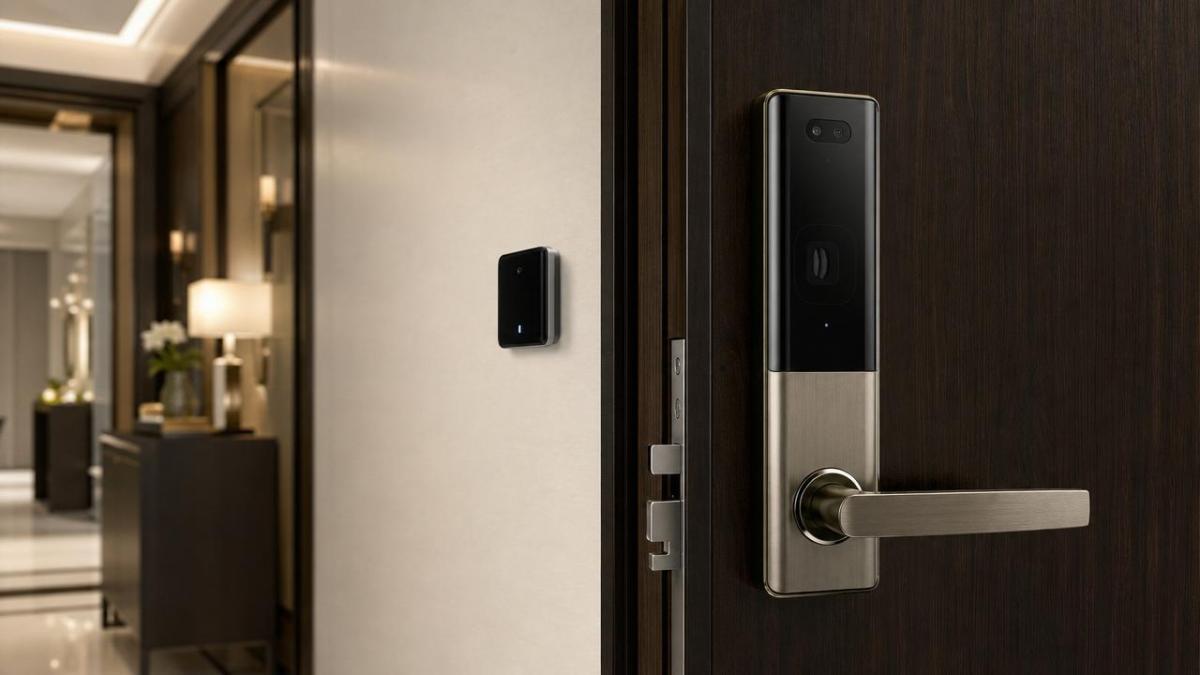
What was officially announced on June 11
The confirmed information is limited but commercially significant. Eufy released three Matter smart locks globally on June 11, 2026, and one of them, the FamiLock E35, uses palm vein recognition. The product is described as using a “zero biometric data upload” architecture, and its MCU-level local encrypted storage solution has passed a GDPR compliance assessment conducted by TÜV Rheinland in Germany, identified as Report No. GD-26-0882.
The event summary also states that this is the first specialized certification issued by an authoritative EU institution to a Chinese smart lock company for localized biometric data processing. In the description provided, that result offers European real estate developers, hotel groups, and B2B security integrators an auditable basis for privacy protection in procurement and may materially improve access to government and enterprise purchasing channels.
Where the market impact may appear first
Procurement teams evaluating biometric access products
From an industry perspective, procurement functions are one of the first groups likely to be affected because the announcement ties a biometric smart lock product to a named GDPR-related assessment outcome. The practical impact is not simply product selection; it may also influence pre-qualification reviews, privacy documentation checks, and internal risk screening for projects where biometric data handling is a sensitive issue.
European property and hospitality operators
For real estate developers and hotel groups specifically mentioned in the event summary, the relevance lies in whether privacy claims can be audited rather than only marketed. What deserves closer attention is how localized biometric processing is presented in tender discussions, deployment planning, and compliance review workflows, especially where property owners or operators need clearer boundaries around where biometric data is stored and processed.
B2B security integrators and solution providers
B2B security integrators may feel the effect at the solution-packaging level. Observably, a compliance assessment tied to local biometric processing can become part of the documentation set used in bids, customer communication, and system integration proposals. For this group, the key business question is less about consumer messaging and more about whether privacy architecture becomes a stronger differentiator in enterprise-facing projects.
Smart lock manufacturers and upstream design decisions
For manufacturers, the development may shift attention toward product architecture choices, especially around local storage, encryption design, and the treatment of biometric identifiers. Analysis shows that the news is relevant not because it confirms a broad market shift on its own, but because it raises the competitive importance of proving how biometric data is handled in technical and compliance terms.
What companies should watch next
How privacy claims are documented
Companies active in smart access control should pay attention to the level of documentation now expected by enterprise and institutional buyers. The immediate issue is whether privacy-related product claims can be supported by audit-ready materials rather than high-level marketing language alone.
The difference between certification language and business adoption
Analysis shows that a compliance assessment and an easier route into procurement are not the same thing. Companies should distinguish between a favorable compliance signal and confirmed project conversion, especially in markets where legal review, client policy, and deployment standards may all influence purchasing decisions.
Priority markets and customer conversations
The event summary specifically highlights Europe, as well as real estate, hospitality, and B2B integration channels. That means vendors and channel partners should prepare for more detailed customer questions around biometric data handling, local processing logic, and the evidence available to support those claims during pre-sales and tender communication.
Supplier materials and delivery preparedness
For teams involved in supply, integration, and project delivery, the practical focus should be on product specification consistency, certification-related records, and customer-facing explanatory materials. If privacy compliance becomes part of deal evaluation, incomplete documentation or unclear technical explanations could become a friction point even when product demand exists.
Why this looks like a signal worth tracking
Observably, this announcement carries more weight as a market access and compliance signal than as a standalone product launch update. The notable point is not only that a palm vein smart lock was launched, but that the product was presented alongside a localized biometric processing assessment tied to GDPR expectations in Europe.
It is more appropriate to understand this as an early indicator of where competition in higher-scrutiny smart access markets may be heading. That does not yet establish a definitive industry standard or prove broad procurement adoption, but it does suggest that privacy architecture and third-party review may become more central in buyer evaluation, especially for biometric devices.
How to read this development today
At this stage, the news is best understood as a concrete compliance-related milestone with potential downstream effects on procurement and enterprise acceptance, rather than as proof of an immediate market-wide shift. The combination of Matter smart lock rollout and GDPR-related localized biometric processing review gives the industry a specific case to watch.
A neutral reading is that the development matters most where biometric access products meet formal purchasing requirements. Whether that influence expands further will depend on how buyers, integrators, and competing vendors respond in actual project pipelines and qualification processes.
Basis of this article and points for follow-up
This article is based on the user-provided news title, event date, and event summary. The summary provided does not include a direct official source link, so the specific official link remains unprovided in the input and should continue to be verified. For this type of industry update, relevant source categories typically include official company announcements, corporate statements, industry association information, authoritative media reporting, and documents from certification or standards-related organizations.
Further follow-up should focus on any later official clarification regarding the three Matter smart locks, subsequent wording around the GDPR assessment, and whether procurement-side adoption signals emerge from the European property, hospitality, or B2B security integration segments mentioned in the event summary.
Protocol_Architect
Dr. Thorne is a leading architect in IoT mesh protocols with 15+ years at NexusHome Intelligence. His research specializes in high-availability systems and sub-GHz propagation modeling.
Related Recommendations
- Lina Zhao (Security Analyst)What Smart Lock Data Should Home Hardware Teams Collect to Improve Security and Reliability?
- Lina Zhao (Security Analyst)Choosing a Z-Wave Smart Lock: Hub Compatibility, Security, and Backup Access
- Lina Zhao (Security Analyst)Door Access Control for Solar Farms: Choosing Reliable Systems for Remote Sites
- Lina Zhao (Security Analyst)EN 303 645:2026 Takes Effect, Making Matter Certification Mandatory for Smart Lock Exports
- Lina Zhao (Security Analyst)EU EN 303 645:2026 Takes Effect for Smart Locks
- Lina Zhao (Security Analyst)EU CE Update Makes Matter Testing Mandatory for Smart Locks
- Lina Zhao (Security Analyst)EN 303 645:2026 Takes Effect for Smart Locks
- Lina Zhao (Security Analyst)How to Choose Thread for Smart Locks in Multi-Unit Residential Projects
- Lina Zhao (Security Analyst)Japan Tightens EMI Test Rules for Imported Smart Locks
- Lina Zhao (Security Analyst)Project Specification Support for Smart Security: How to Define Devices, Protocols, and Scope
Analyst