
Apple Expands Smart Home Push with LG and Schneider Electric
author
The event date was not specified in the available information. Apple’s reported launch of the Apple Home Collection with LG Electronics and Schneider Electric signals a stronger move into smart home products, including smart locks, cameras, doorbells, and thermostats. Although no specific new law, standard, certification requirement, or trade rule was identified in the source information, the development may influence product certification reviews, procurement decisions, supply chain coordination, and delivery requirements across the smart home industry.
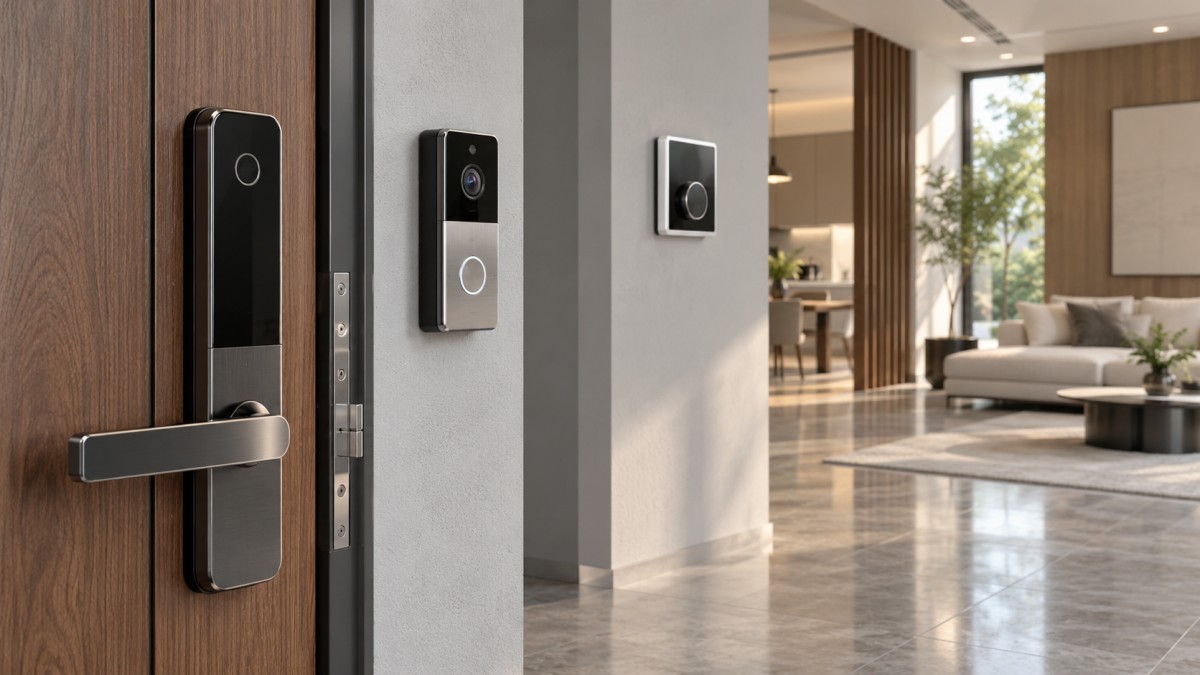
Apple Home Collection brings several device categories into one ecosystem
According to the supplied information, Apple is working with LG Electronics and Schneider Electric on the Apple Home Collection. The product line covers smart locks, cameras, doorbells, thermostats, and other smart home devices. An analysis published by 21st Century Business Herald on October 20 stated that the move marks Apple’s formal strengthening of its presence in the smart home sector.
The same information says that Wang Juan, a senior analyst at Industry Online, observed that China’s home appliance industry has developed a structure in which three domestic sales channels operate in parallel while overseas expansion accelerates. The report also indicates that Apple’s entry could further reshape competition in the global smart home ecosystem and supply chain.
Integration expectations may move through the supply chain
Manufacturers may face closer specification and documentation reviews
From an industry perspective, a broader ecosystem built around multiple smart home categories could increase the importance of product compatibility, technical documentation, and delivery coordination. This is an analytical possibility rather than a confirmed new compliance requirement. Manufacturers may need to review whether product specifications, testing records, supplier qualifications, and quality traceability can support future ecosystem level procurement or integration requirements.
Component and procurement teams may need greater supplier coordination
For companies involved in component sourcing and contract manufacturing, the reported cooperation among Apple, LG Electronics, and Schneider Electric may raise the importance of supplier consistency across locks, cameras, doorbells, and thermostats. Analysis suggests that procurement teams could pay closer attention to supplier capacity, product change control, documentation completeness, and delivery coordination. The available information does not confirm any specific purchasing rule or mandatory supplier qualification, so these points should be treated as areas for assessment rather than established requirements.
Integrators and distributors may monitor channel and delivery changes
System integrators, distributors, and supply chain service providers may be affected if ecosystem based product combinations lead to more coordinated procurement or installation requirements. They may need to evaluate product matching, technical handover materials, after sales support, and quality records. At this stage, no confirmed change to distribution rules, trade procedures, or delivery schedules has been provided.
What companies should verify before the market signal becomes an execution rule
Track official product, certification, and compliance statements
Companies should continue checking for official statements concerning product specifications, certification arrangements, testing requirements, data related documentation, and market access conditions. The supplied information does not identify a new certification, regulation, or formal implementation schedule. Any compliance conclusion should therefore wait for verifiable documents or clear implementation guidance.
Review technical files and supplier qualification materials
Manufacturers and procurement teams may reasonably prepare by checking technical files, test reports, supplier qualification records, change management procedures, and traceability materials for the relevant product categories. This is a preparatory recommendation based on possible future integration and procurement needs, rather than a mandatory requirement established by the reported event.
Assess delivery and after sales coordination across product categories
Businesses involved in installation, distribution, or after sales service should assess whether locks, cameras, doorbells, and thermostats can be coordinated in procurement, delivery, installation, and maintenance processes. The practical impact will depend on later product information, market feedback, and any subsequent requirements communicated by the relevant ecosystem participants.
Why this development is better read as an execution signal for now
Analysis suggests that the reported collaboration is more appropriately understood as a strategic market and supply chain signal than as a confirmed regulatory change. It points to possible adjustments in ecosystem competition, product coordination, procurement evaluation, and supplier relationships. However, the available information does not establish new legal obligations, certification standards, trade measures, or completed implementation results.
Further assessment will depend on whether later information clarifies product specifications, certification approaches, procurement documents, delivery arrangements, and market responses. These details may determine whether the development remains a competitive signal or develops into more concrete execution requirements for manufacturers, suppliers, integrators, and service providers.
Practical interpretation for current business decisions
For companies in the smart home value chain, the current priority is to monitor the reported Apple Home Collection development while reviewing their own technical documentation, supplier readiness, product coordination, and service capabilities. The event may influence the direction of global smart home ecosystem and supply chain competition, but its specific impact on trade, certification, procurement, and delivery cannot yet be determined from the supplied information alone.
Information basis and points requiring continued verification
This article was generated from the supplied information, including the news title, the statement that the event date was not specified, and the event summary. The summary refers to an analysis published by 21st Century Business Herald on October 20 and to comments attributed to Wang Juan, a senior analyst at Industry Online. No specific official source link was provided in the input.
Readers should continue to verify any subsequent official announcements, product or certification requirements, procurement documents, trade execution details, delivery arrangements, industry feedback, and company implementation practices. These follow up materials will be necessary to determine whether the reported development produces concrete changes in market execution or remains an evolving competitive and supply chain signal.
Protocol_Architect
Dr. Thorne is a leading architect in IoT mesh protocols with 15+ years at NexusHome Intelligence. His research specializes in high-availability systems and sub-GHz propagation modeling.
Related Recommendations
- Lina Zhao (Security Analyst)Apple Expands Smart Home Push with LG and Schneider Electric
- Lina Zhao (Security Analyst)Choosing Weatherproof Smart Locks: IP Ratings, Temperature Limits, and Battery Life
- Lina Zhao (Security Analyst)What Smart Lock Data Should Home Hardware Teams Collect to Improve Security and Reliability?
- Lina Zhao (Security Analyst)Choosing a Z-Wave Smart Lock: Hub Compatibility, Security, and Backup Access
- Lina Zhao (Security Analyst)Door Access Control for Solar Farms: Choosing Reliable Systems for Remote Sites
- Lina Zhao (Security Analyst)EN 303 645:2026 Takes Effect, Making Matter Certification Mandatory for Smart Lock Exports
- Lina Zhao (Security Analyst)EU EN 303 645:2026 Takes Effect for Smart Locks
- Lina Zhao (Security Analyst)EU CE Update Makes Matter Testing Mandatory for Smart Locks
- Lina Zhao (Security Analyst)EN 303 645:2026 Takes Effect for Smart Locks
- Lina Zhao (Security Analyst)How to Choose Thread for Smart Locks in Multi-Unit Residential Projects
Analyst