
What Drives Trampoline Park Equipment Lifespan?
author
In high-traffic venues, trampoline park equipment lifespan depends on more than visible wear. It is shaped by fatigue cycles, frame geometry, spring recovery, climate exposure, cleaning routines, and replacement timing.
A smart maintenance strategy matters even more when energy efficiency goals, indoor climate control, and asset sustainability are part of operations. Better decisions reduce waste, downtime, and unnecessary replacement.
What does trampoline park equipment lifespan really include?
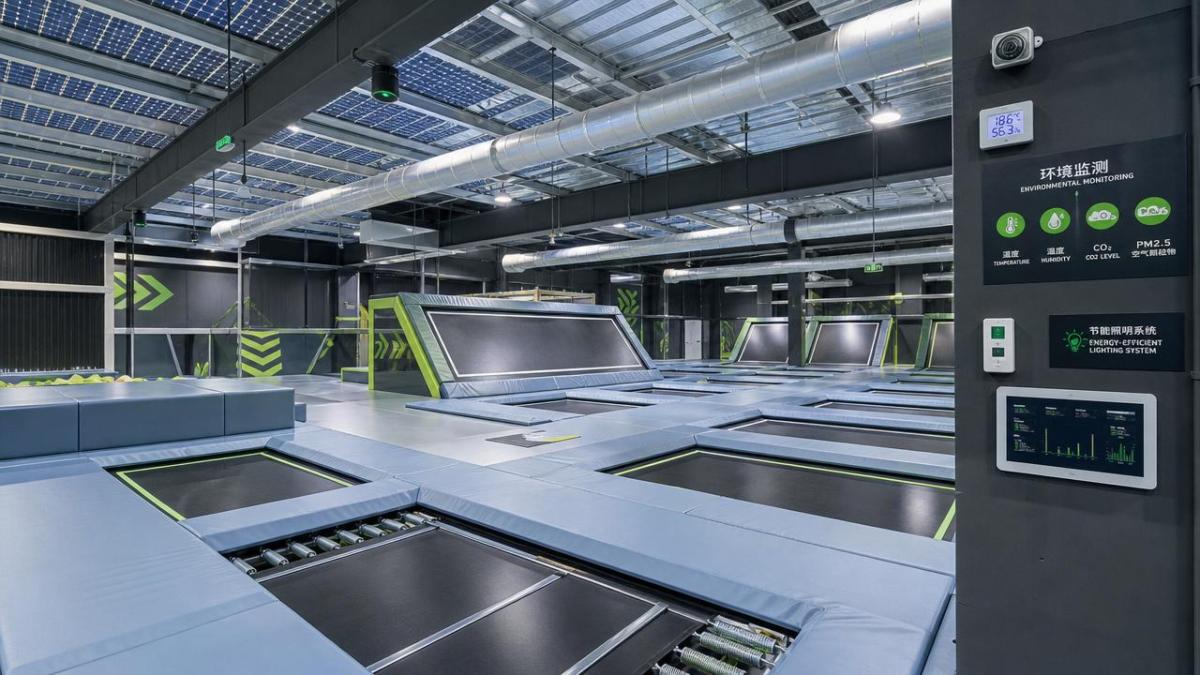
Trampoline park equipment lifespan is not only the time before failure. It also includes the period during which performance, safety, and energy use remain within acceptable operating limits.
That definition matters for facilities pursuing lower lifecycle emissions. Premature disposal increases material waste, replacement transport, and embodied carbon across steel, foam, textiles, and polymer parts.
Lifespan should be viewed through four layers:
- Structural life of frames and support joints
- Functional life of springs, mats, and pads
- Safety life before risk exceeds thresholds
- Economic life before maintenance costs surge
For renewable-energy-aligned operations, economic life also connects to building energy management. Damaged equipment can increase HVAC loads through longer closures, rework, and less efficient occupancy planning.
Which material and design factors most affect trampoline park equipment?
Material selection is the foundation of trampoline park equipment lifespan. Steel quality, protective coatings, weld integrity, textile density, foam resilience, and spring metallurgy all influence long-term durability.
How do frames and welds drive service life?
Frames carry repetitive dynamic loads. Poor weld penetration, thin wall tubing, or weak joint design create stress concentrations. Those zones often fail earlier than the rest of the structure.
Corrosion protection matters too. Powder coating, galvanization, and humidity control slow oxidation. In energy-conscious indoor parks, balanced ventilation helps protect steel without excessive HVAC consumption.
Why do springs and mats wear differently?
Springs degrade through extension cycles, not simply age. A busy lane may reach fatigue limits faster than a quieter zone, even when both look similar during basic visual checks.
Mats fail through abrasion, UV exposure, seam stress, and uneven loading. Airborne dust also increases friction. Better filtration can therefore support trampoline park equipment lifespan indirectly.
What role do pads and foam play?
Pads and foam are often treated as secondary items, but they heavily influence replacement cycles. Compression set, moisture absorption, and microbial degradation shorten useful life and raise safety concerns.
Sustainable replacement planning should prioritize materials with longer rebound retention, lower VOC impact, and better recyclability. That supports both operational resilience and environmental targets.
How do environment and energy systems change equipment lifespan?
Indoor climate is a major but underestimated driver of trampoline park equipment lifespan. Temperature swings, moisture peaks, sunlight exposure, and poor airflow accelerate aging across metal, foam, and fabric systems.
Why does humidity matter so much?
High humidity increases corrosion risk in frames and springs. It also weakens adhesives, encourages mold growth in foam, and raises odor issues that lead to aggressive chemical cleaning.
A well-tuned dehumidification strategy can extend component life while lowering energy waste. Smart controls help maintain stable conditions instead of overcooling the building to remove moisture.
Can renewable energy strategies support maintenance?
Yes. Renewable energy integration can improve maintenance planning when paired with smart building controls. Solar generation, battery storage, and load scheduling can support off-peak inspection and repair windows.
That approach reduces disruptions during operating hours and avoids energy-intensive emergency repairs. It also aligns trampoline park equipment management with broader sustainability performance goals.
What about lighting and UV exposure?
Natural light can improve user experience, but uncontrolled UV degrades exposed polymers and textiles. Protective films, shading, and zone planning reduce damage without sacrificing daylight efficiency.
How often should trampoline park equipment be inspected or replaced?
Inspection intervals should follow usage intensity, environmental conditions, and component type. A fixed calendar alone is not enough for reliable trampoline park equipment lifespan management.
A practical structure includes daily checks, weekly functional reviews, monthly measurements, and scheduled replacement thresholds based on actual wear patterns.
Sensor-based monitoring can improve accuracy. Smart humidity logging, thermal alerts, and maintenance dashboards reduce guesswork and support data-based replacement decisions.
What mistakes shorten trampoline park equipment lifespan the fastest?
The biggest mistake is relying only on visual inspection. Fatigue, tension loss, and foam performance decline often begin before obvious damage appears.
Another common issue is replacing single failed parts without checking adjacent components. Mixed-age springs or mats can create uneven loading and accelerate future failures.
Poor cleaning chemistry also matters. Harsh agents may damage coatings, weaken stitching, or dry out polymer surfaces. Low-impact cleaning protocols usually preserve materials better.
Ignoring HVAC calibration is equally costly. Excess moisture, stale air, and dust buildup can silently reduce trampoline park equipment lifespan across the entire facility.
- Skipping documented inspection records
- Using generic replacement parts without load verification
- Delaying replacement after early warning signs
- Treating climate control as separate from asset care
How can a data-driven plan extend lifespan and reduce waste?
The most effective approach combines maintenance records, environmental data, and component-level benchmarking. This creates a realistic picture of trampoline park equipment lifespan under actual operating conditions.
What should be tracked first?
Start with zone usage, humidity trends, spring replacement frequency, mat wear location, foam rebound loss, and unplanned closure hours. These metrics reveal where lifespan is being lost.
How does this connect to sustainability?
Longer service life reduces embodied carbon per operating hour. It also lowers landfill volume and cuts the energy burden associated with urgent shipping, installation, and disposal.
Facilities using smart energy platforms can link maintenance windows with lower-carbon electricity periods. That turns routine upkeep into part of a broader renewable operations strategy.
Which practical steps deliver the fastest results?
- Map every component by age, zone, and replacement history.
- Stabilize humidity and airflow before increasing cleaning intensity.
- Replace fatigue-prone parts in matched groups when needed.
- Use durable materials with verified cycle performance.
- Review lifecycle data quarterly, not only after incidents.
FAQ summary: how should lifespan decisions be prioritized?
Trampoline park equipment lifespan improves when maintenance stops being reactive. The strongest results come from linking material performance, inspection discipline, and smart environmental control.
Build a simple lifecycle dashboard, review failures by zone, and align climate settings with asset protection goals. That next step can reduce waste, protect uptime, and support a more sustainable facility model.
Protocol_Architect
Dr. Thorne is a leading architect in IoT mesh protocols with 15+ years at NexusHome Intelligence. His research specializes in high-availability systems and sub-GHz propagation modeling.
Related Recommendations
- Dr. Sophia Carter (Medical IoT Specialist)How Signal Processing Determines Motion Accuracy in Wearable Activity Tracking Sensors
- Dr. Sophia Carter (Medical IoT Specialist)Middle East Wearable Technology Market: Growth Drivers, Risks, and Entry Opportunities
- Dr. Sophia Carter (Medical IoT Specialist)How to Select Compact Smartwatch SpO2 Modules for Accurate Wrist-Based Monitoring
- Dr. Sophia Carter (Medical IoT Specialist)Silicone Wearable Biosensors: How Material Properties Shape Comfort and Signal Quality
- Dr. Sophia Carter (Medical IoT Specialist)How to Benchmark Smart Wearables in Germany for Sensor Accuracy and Compliance
- Dr. Sophia Carter (Medical IoT Specialist)How to Evaluate a Smart Wearable Technology USA Supplier for Quality and Scalability
- Dr. Sophia Carter (Medical IoT Specialist)How to Evaluate Smart Wearable Benchmarking Research for Sensor and Battery Decisions
- Dr. Sophia Carter (Medical IoT Specialist)Wearable Biosensors for Rehabilitation Monitoring: Which Metrics Matter in Daily Recovery?
- Dr. Sophia Carter (Medical IoT Specialist)Wearable Biosensors Biocompatibility Testing: Key Standards, Methods, and Failure Risks
- Dr. Sophia Carter (Medical IoT Specialist)How to Choose a Smart Watch in Europe: Features, eSIM Support, and GDPR Concerns
Analyst