
CNPC Launches 7GW Solar Module Procurement
author
Introduction
China National Petroleum Corporation (CNPC) initiated a 7GW solar module procurement framework on March 31, 2026, with 97% allocated to TOPCon technology and 200MW to BC modules. This move signals a strategic shift by major energy players toward high-efficiency photovoltaic solutions, impacting solar manufacturers, supply chain operators, and global buyers monitoring China’s production capacity and delivery timelines.
Event Overview
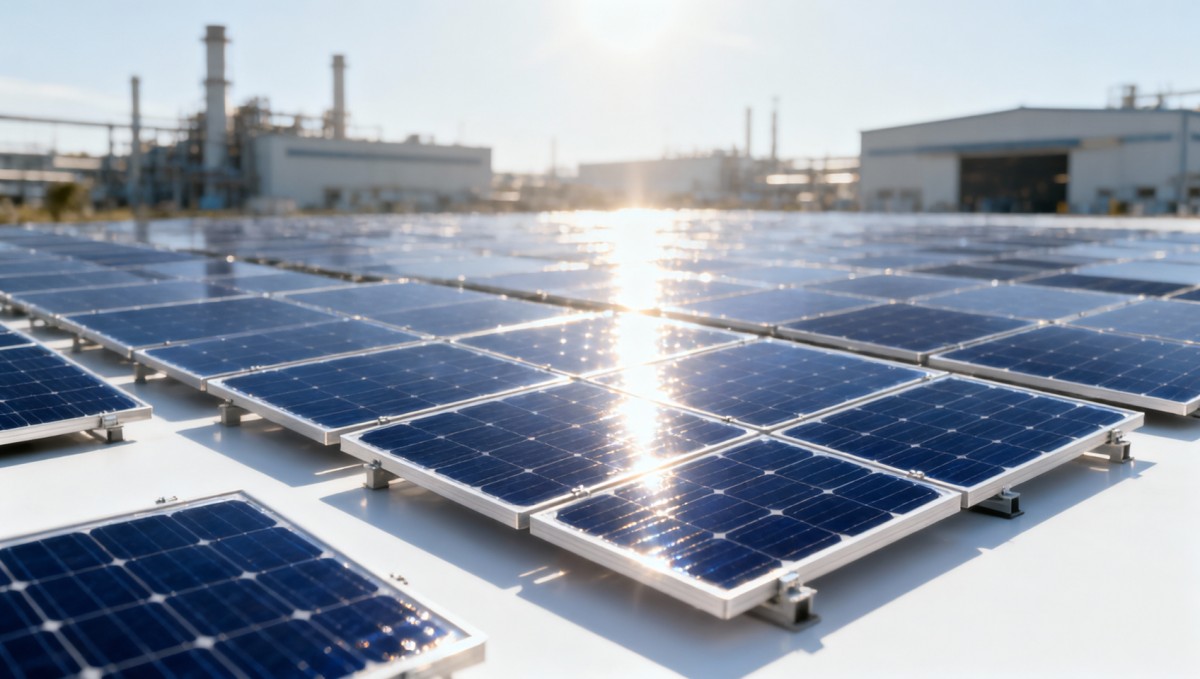
CNPC’s tender covers 7GW of solar modules, with TOPCon dominating at 6.79GW (97%) and BC modules at 200MW. The public announcement confirms the procurement timeline for 2026, emphasizing large-scale adoption of advanced technologies. No additional specifications or bidding details were disclosed beyond the capacity split.
Impact on Sub-Sectors
1. Solar Module Manufacturers
The 97% TOPCon allocation accelerates demand for n-type cell production, requiring manufacturers to prioritize upgrades or partnerships to meet volume commitments. BC modules’ niche share (3%) may limit short-term opportunities for heterojunction or perovskite-focused producers.
2. Global Procurement Teams
International buyers relying on Chinese exports should note the tender’s scale—7GW represents ~5% of China’s 2025 module output. Analysis suggests this could tighten Q2 2026 TOPCon availability, potentially extending lead times for non-contracted volumes.
3. Equipment & Material Suppliers
TOPCon’s dominance reinforces demand for polysilicon with higher purity standards and PECVD tools. From an industry perspective, this may divert resources from PERC production lines, affecting spare part inventories.
Key Considerations for Stakeholders
Monitor Technology Roadmap Shifts
CNPC’s 97% TOPCon selection aligns with China’s 2025-2027 PV development plan. Companies should verify whether this reflects broader policy directives or isolated corporate procurement strategy.
Assess Supply Chain Flexibility
With TOPCon capacity expected to reach 500GW+ in China by 2026, raw material buyers could negotiate contracts now to avoid Q2 price volatility from concentrated demand.
Evaluate Export Timeline Buffers
Overseas projects specifying TOPCon should build in 2-3 extra weeks for module shipments, as domestic large-scale tenders may temporarily prioritize local deliveries.
Editorial Perspective
This procurement serves more as a market signal than an isolated transaction. Observing the industry context, three trends emerge: (1) TOPCon is becoming the baseline for utility-scale projects in China; (2) Energy giants are locking in capacities ahead of anticipated demand surges; (3) The 200MW BC allotment indicates experimental adoption despite cost disadvantages. The tender’s real significance lies in its timing—launched before Q2, it allows manufacturers to adjust production plans for the fiscal year.
Conclusion
CNPC’s 7GW tender underscores the solar industry’s accelerated transition to TOPCon, with immediate implications for production planning and global supply chains. Stakeholders should interpret this as a confirmation of technology trends rather than a market disruptor, while preparing for tighter availability of high-efficiency modules in mid-2026.
Source
CNPC official procurement announcement (March 31, 2026). Pending updates on bid awards and exact delivery schedules.
Protocol_Architect
Dr. Thorne is a leading architect in IoT mesh protocols with 15+ years at NexusHome Intelligence. His research specializes in high-availability systems and sub-GHz propagation modeling.
Related Recommendations
- Kenji Sato (Infrastructure Arch)IEEE 802.3cd-2026 Adds PoE++ Mandate for Power Monitoring
- Kenji Sato (Infrastructure Arch)IEEE 802.3cd-2026 Adds PoE++ Rule for Power Monitoring
- Kenji Sato (Infrastructure Arch)Theme Park Rides Power Monitoring: How to Track Load, Uptime, and Energy Use
- Kenji Sato (Infrastructure Arch)Low Power Tuya Leak Sensor for Remote Sites: Battery Life, Alerts, and Setup Tips
- Kenji Sato (Infrastructure Arch)How to Evaluate a Commercial IoT Planning Distributor for Multi-Site Energy Projects
- Kenji Sato (Infrastructure Arch)METI Draft Rule Ties Smart Lighting Labels to Power Data
- Kenji Sato (Infrastructure Arch)Edge Computing for IoT and IEC Standards: What to Check for Grid-Connected Systems
- Kenji Sato (Infrastructure Arch)How to Choose an Energy Monitoring Modbus Meter for Solar and BESS Projects
- Kenji Sato (Infrastructure Arch)IEEE 802.11be Adds UL 2900-1 Rule for Wi-Fi 7 LP Devices
- Kenji Sato (Infrastructure Arch)Heavy Payload UAV 50kg: Which Power, Flight Time, and Mission Limits Should Buyers Compare?
Analyst